About EntoFrontiers 2026
Kerala Agricultural University (KAU), in collaboration with the Entomological Society of India (ESI), New Delhi, is pleased to host the National Conference on EntoFrontiers 2026: Innovations for Sustainable Pest Management and Ecosystem Resilience and the Third Entomology Students Conclave from January 27 to 29, 2026 at Thrissur, Kerala. This prestigious event will serve as a platform for scientists, researchers, academicians, industry experts, and students to share recent advancements and future directions in the field of entomology.
The conference aims to foster interdisciplinary dialogue and collaboration by bringing together leading researchers and students working at the frontiers of entomology. Key focus areas will include insect-environment interactions and IPM, insect-microbe and insect-plant interactions, emerging insect pests, insect conservation and biodiversity, climate change and insect ecology, insecticide toxicology, insect-based enterprises, urban and medical entomology, CRISPR, RNAi, metagenomics in entomology, bioagents and biopesticides, and insect-mediated ecosystem services.
The scientific program will feature keynote addresses, plenary talks, invited lectures, oral and poster presentations, and panel discussions, offering participants numerous opportunities to engage, interact, and exchange knowledge. Special sessions will also be organized to encourage young scientists and students, with awards for outstanding contributions.
Set in the culturally vibrant and agriculturally rich city of Thrissur, this conference promises a stimulating academic environment, opportunities for collaboration, and insights into the evolving challenges and solutions in entomology.
We cordially invite you to participate in this important event and contribute to shaping the future of sustainable agriculture through entomology.
Thematic Areas For Entofrontiers 2026
Track 1 • Insect-Environment Interactions and IPM
Track 2 • Insect-Microbe and Insect-Plant Interactions
Track 3 • Emerging Insect Pests and Surveillance Strategies
Track 4 • Insect Conservation and Biodiversity
Track 5 • Climate Change and Insect Ecology
Track 6 • Insecticide Toxicology for Sustainable Pest Management
Track 7 • Innovations in Insect-Based Enterprises
Track 8 • Urban, medical and veterinary entomology
Track 9 • CRISPR, RNAi, Metagenomics in Entomology
Track 10 • Novel Bioagents and Next-gen Biopesticides
Track 11 • Insect-Mediated Ecosystem Services
Thematic Areas for Entomology Students Conclave 2026
Theme 1 • Biodiversity and Taxonomy
Theme 2 • Integrated Pest Management
Theme 3 • Biological Control
Theme 4 • Insect Toxicology
Theme 5 • Insect Physiology, Insect Vectors and Molecular Advances in Entomology
Theme 6 • Host Plant Resistance and Insect Ecology
Theme 7 • Climate Change and Insects, Industrial Entomology, and Non-Insect Pests of Crops
Theme 8 • Beneficial Insects
About Kerala Agricultural University
Established on 24th February 1971, Kerala Agricultural University (KAU) stands as a testament to the vision set forth by the Kothari Commission (1964-1966), which recommended the creation of Agricultural Universities in every state of India. KAU began its journey on 1st February 1972, transforming agricultural practices and education in Kerala.
From its humble beginnings, KAU has played a pivotal role in the development of agriculture and continues to educate, innovate, and lead in enhancing the livelihoods of farmers, the community, and the nation as a whole. KAU’s legacy is a remarkable journey of dedication, innovation, and excellence, shaping the future of agricultural sciences in Kerala and beyond..
KAU has eight colleges, six Regional Agricultural Research Stations, seven Krishi Vigyan Kendras, 17 Research Stations, and seven Extension Units. It also has an Institute of Agricultural Technology offering Diploma courses. The university has received numerous accolades including the Sardar Patel Award of ICAR and Chancellor’s Award and ICAR Accreditation with A grade. In the National Institutional Ranking Framework 2025 by the Ministry of Education, Government of India, KAU is ranked 12th in the agriculture and allied sectors category.
About Indian Council of Agricultural Research (ICAR)
The Indian Council of Agricultural Research (ICAR) is an autonomous organisation under the Department of Agricultural Research and Education (DARE), Ministry of Agriculture and Farmers Welfare, Government of India. The Council is the apex body for co-ordinating, guiding and managing research and education in agriculture including horticulture, fisheries and animal sciences in the entire country. With 113 ICAR institutes and 74 agricultural universities spread across the country this is one of the largest national agricultural systems in the world. The ICAR has played a pioneering role in ushering Green Revolution and subsequent developments in agriculture in India through its research and technology development that has enabled the country to increase the production of foodgrains by 6.21 times, horticultural crops by 11.53 times, fish by 21.61 times, milk by 13.01 times and eggs by 70.74 times since 1950-51 to 2021-22, thus making a visible impact on the national food and nutritional security. It has played a major role in promoting excellence in higher education in agriculture.
About Indian Council of Agricultural Research (ICAR)
The Indian Agricultural Research Institute (IARI), commonly known as the Pusa Institute, is India’s premier institution for agricultural research, education, and extension. Established in 1905 and currently located in New Delhi, IARI played a central role in India’s Green Revolution through the development of high-yielding crop varieties and advanced agricultural practices. It operates under the Indian Council of Agricultural Research (ICAR) and offers postgraduate programs (M.Sc. and Ph.D.) in various disciplines such as Genetics and Plant Breeding, Agronomy, Soil Science, Horticulture, and Agricultural Biotechnology and undergraduate programme in agriculture. The institute is renowned for its cutting-edge research in sustainable and climate-resilient farming, biotechnology, and plant sciences. With a strong emphasis on both scientific innovation and farmer-oriented outreach, IARI continues to contribute significantly to the advancement of Indian agriculture and global food security.
About Entomological Society of India
The Entomological Society of India (ESI), founded in 1938, is a professional organization dedicated to promoting entomological knowledge and research in India. It serves entomologists, researchers, and insect enthusiasts by providing a platform for interaction, publishing, and organizing events.
The society publishes Indian Journal of Entomology, Hexapoda, Bionotes, and Indian Entomologist.
About Thrissur
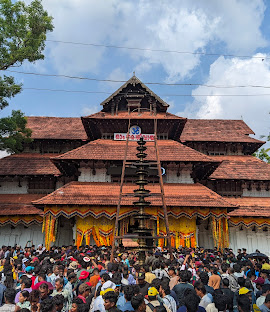
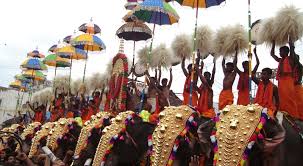
Often called the “Cultural Capital of Kerala”, Thrissur is renowned for its rich traditions, historic temples, and colorful festivals. At its heart lies the iconic Vadakkumnathan Temple, surrounded by the sprawling Thekkinkadu Maidan, venue for the world-famous Thrissur Pooram.Thrissur has long been a hub of learning, culture, and spirituality, with numerous institutions dedicated to classical arts, Ayurveda, and Sanskrit studies. The city also played a significant role in Kerala’s political and social history.
Attractions for visitors include:
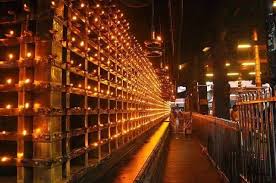
- Vadakkumnathan Temple – classic Kerala architecture and murals
- Thrissur Pooram – spectacular temple festival with elephants & fireworks
- Kerala Kalamandalam, Cheruthuruthy – classical arts academy
- Our Lady of Dolours Basilica – one of the largest churches in India
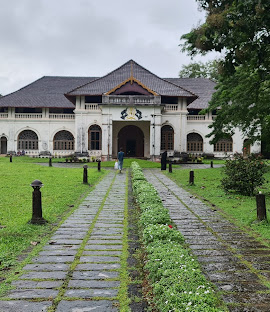
- Sakthan Thampuran Palace – museum of Kerala’s history
- Athirappilly & Vazhachal Waterfalls – majestic cascades
- Guruvayur Temple – a prominent Krishna temple